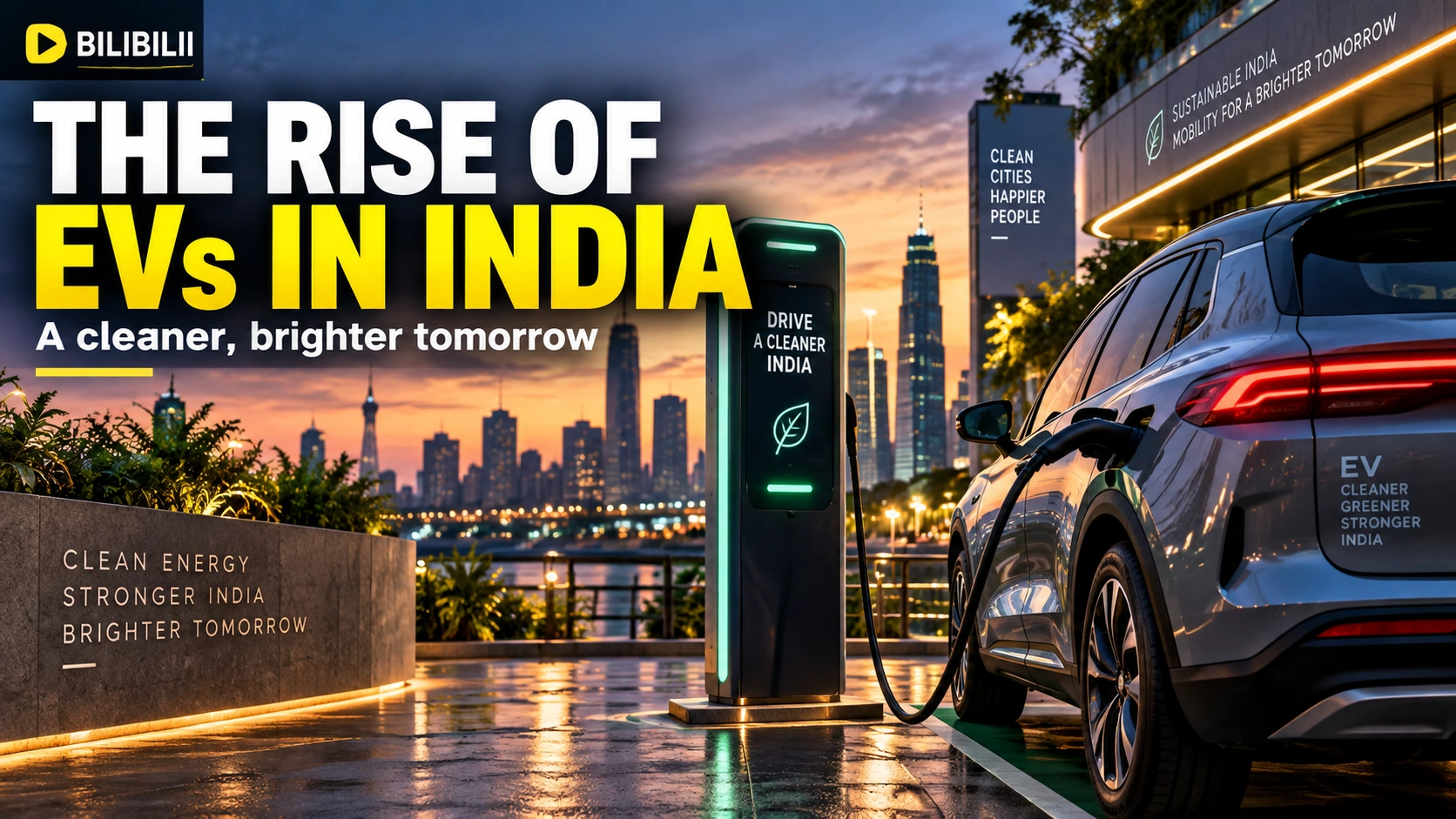
Electric vehicles are no longer just a future trend in India—they are becoming a visible part of the present. From two-wheelers and three-wheelers to passenger cars and commercial fleets, the EV conversation is moving closer to mainstream mobility.
What is driving the shift
- Rising interest in cleaner mobility and lower running costs.
- Policy incentives and industry investment.
- Improving battery technology and growing product variety.
- More public discussion around charging networks and urban transport.
Why people are paying attention
For many users, the biggest attraction is practical economics. Even when upfront cost remains a barrier, lower fuel and maintenance costs make EVs worth considering. For cities, the appeal includes lower local emissions and a chance to modernize mobility systems. For manufacturers, it opens a large future market.
The challenges are still real
Range anxiety, charging availability, battery replacement costs and resale uncertainty still shape consumer thinking. In smaller cities and long-distance use cases, infrastructure confidence remains a major issue. That means EV growth will depend not just on vehicle launches, but on the quality and spread of supporting infrastructure.
Why this matters nationally
The EV shift connects mobility, energy, manufacturing and urban planning. It can support cleaner transport, reduce oil dependence in the long term and encourage new manufacturing ecosystems in batteries, components and software-linked services.
Bottom line
India’s EV rise is not just about new cars on the road. It is about whether the country can build a more efficient, cleaner and future-ready mobility system—and that makes this one of the most important auto stories to watch.
Source: Ministry of Heavy Industries