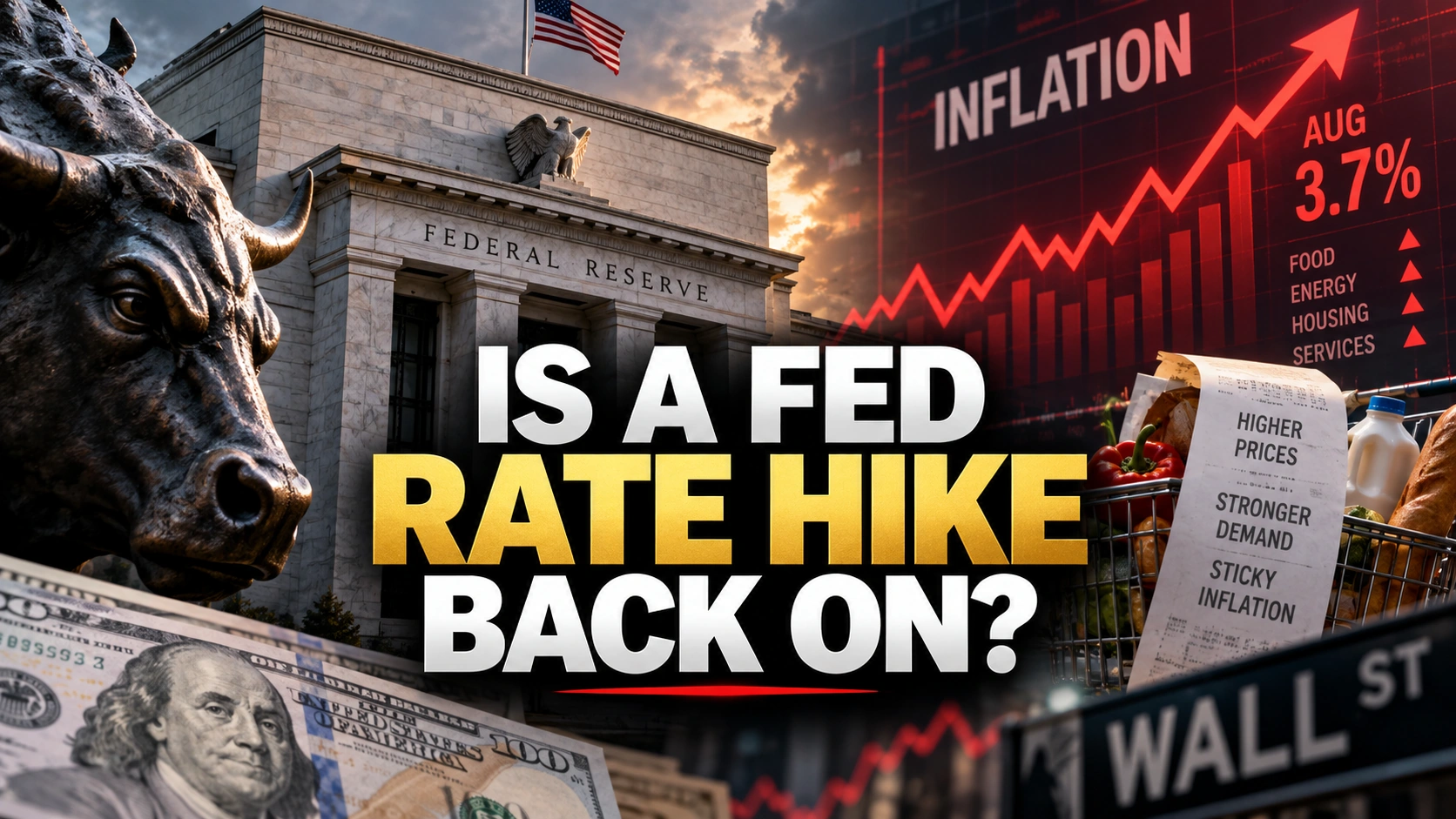
US consumer inflation accelerated in August, reinforcing expectations that the Federal Reserve could raise interest rates at its next meeting. The Consumer Price Index rose 0.4% on the month and 3.4% from a year earlier, while core inflation also remained firm.
Energy is part of the renewed pressure
Gasoline prices rose sharply during the month as crude oil climbed amid Middle East conflict. When energy becomes more expensive, the effect can spread through transport, goods distribution and household expectations even if the initial shock is concentrated in fuel.
Core inflation still matters more to the Fed
Core CPI, which excludes food and energy, increased 0.3%. Persistent increases in services such as rent, airfares and communications make it harder for policymakers to dismiss the inflation rise as a temporary oil-only event.
Markets have repriced the next meeting
Rate futures moved toward a high probability of a quarter-point increase, with investors also considering the possibility of additional tightening later in the year. Higher rate expectations have already helped push bond yields upward.
What happens next
The Fed will weigh inflation against labour-market conditions and its preferred PCE measure. A rate hike would also ripple globally through the dollar, borrowing costs and capital flows into emerging markets including India.
Bottom line
The August CPI report does not decide the Fed meeting by itself, but it makes the case for staying restrictive — or becoming more restrictive — significantly stronger.
Source: Reuters