India’s foreign-exchange reserves jumped by about $45 billion in the week ended September 4, taking the total to an all-time high of $785.7 billion. The scale of the increase stands out even in a year of strong inflows and gives the Reserve Bank of India a larger cushion against currency volatility.
Where the jump came from
The latest increase was led by a roughly $47.4 billion rise in foreign-currency assets, partly offset by a decline in the value of gold holdings. Reuters said the reserve pile has now risen for ten consecutive weeks, adding nearly $120 billion over that span.
Why inflows have been unusually strong
A special forex-mobilisation push announced in June encouraged overseas borrowing and non-resident deposits by offering cheaper hedging and other incentives. Banks reportedly raised far more than expected under the scheme, with non-resident deposits accounting for most of the money mobilised.
Record reserves do not mean free money
The headline figure is powerful, but part of the reserve build-up is linked to future obligations created by the mobilisation schemes and the RBI’s own forward-market operations. Analysts therefore distinguish between the visible spot reserve number and the central bank’s broader future dollar liabilities.
What comes next
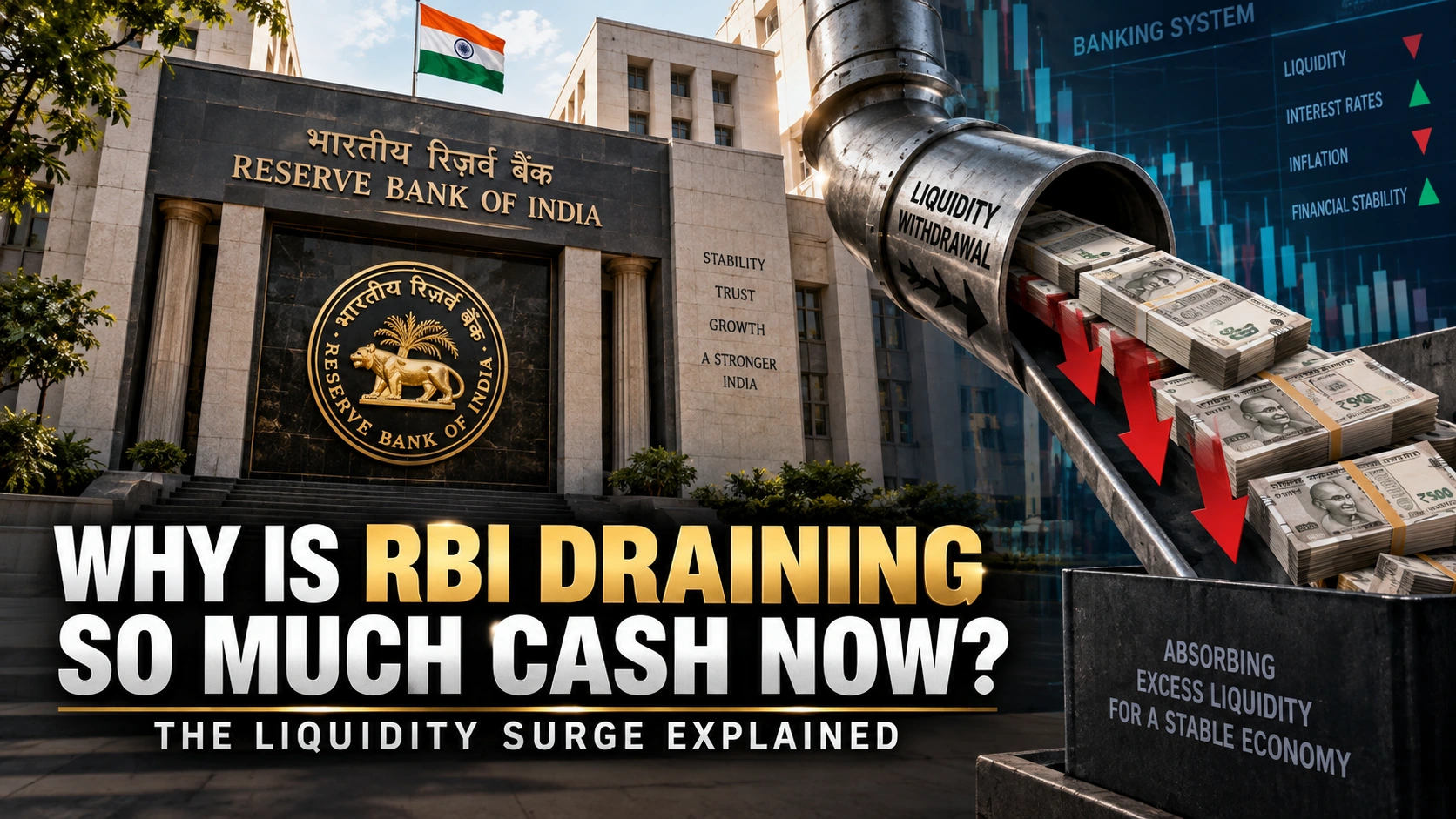
The key question is how aggressively the RBI uses the enlarged reserve buffer to smooth rupee volatility while also draining the rupee liquidity created by the inflows. That balance matters because too much domestic liquidity can push short-term rates below the policy corridor and complicate inflation control.
Bottom line
India has more foreign-exchange firepower than ever, but the quality and cost of the inflows matter almost as much as the headline record.
Source: Reuters