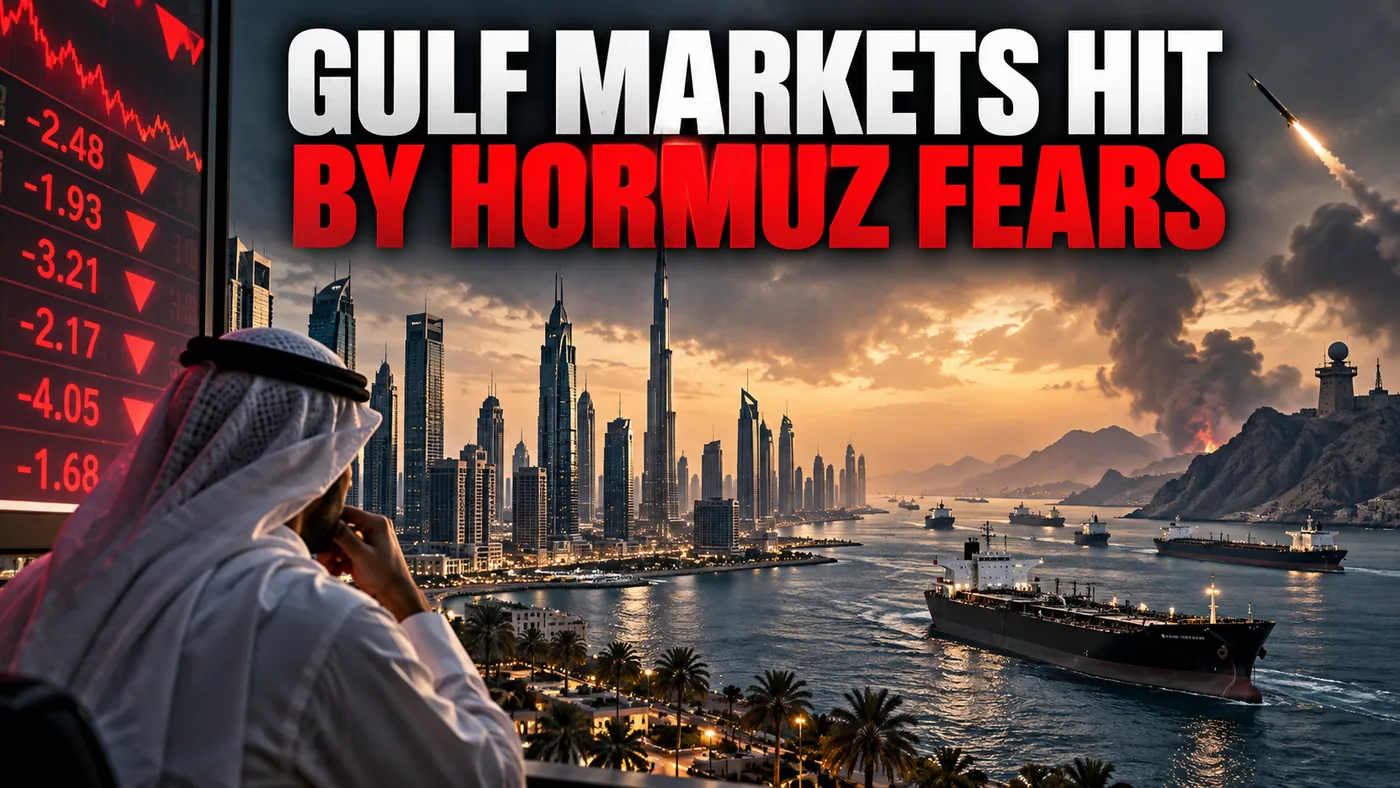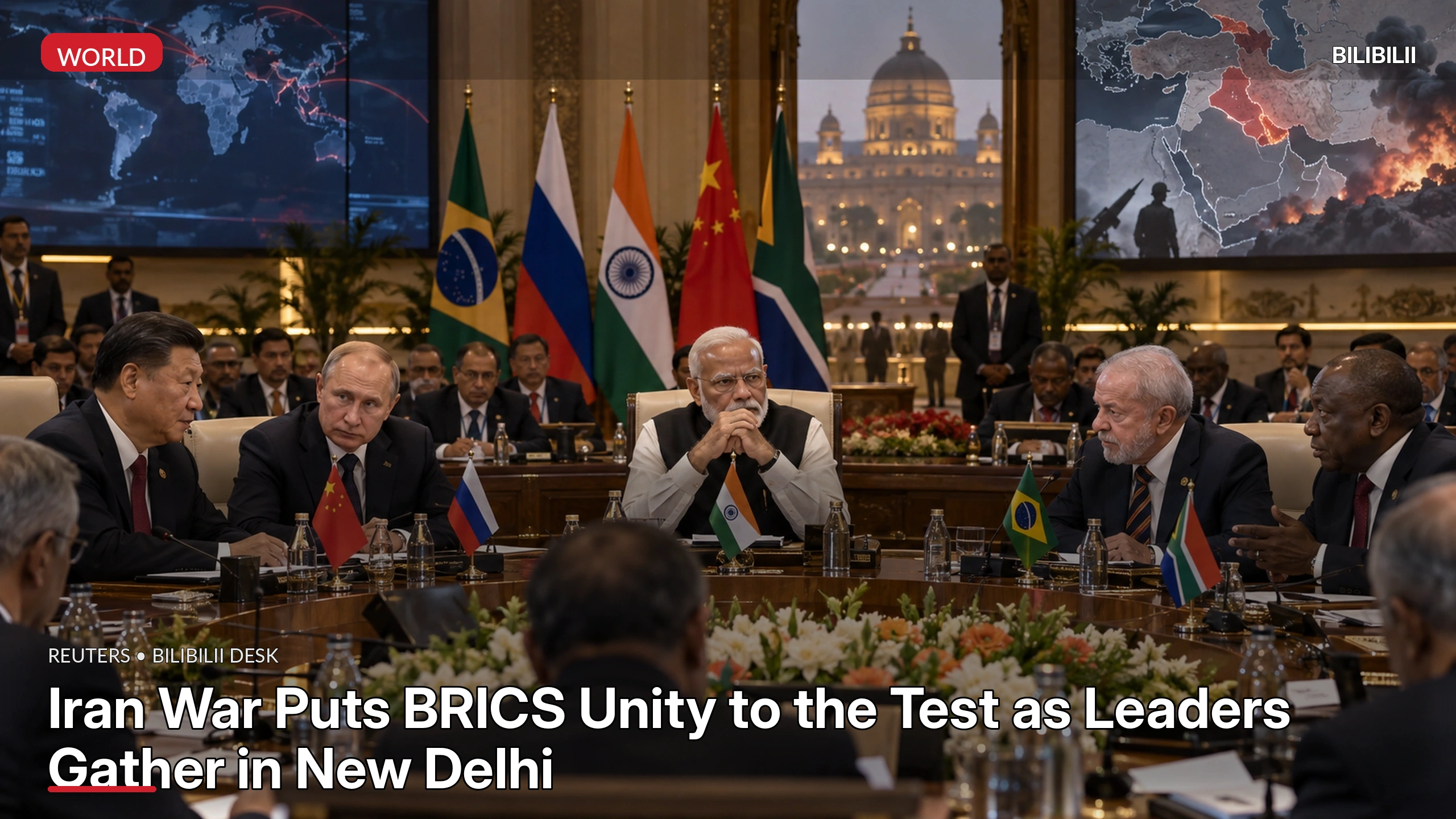
India is hosting the BRICS Leaders’ Summit in New Delhi on September 12-13 at a moment when the expanded bloc’s internal divisions are unusually visible. The U.S.-Israeli war against Iran has placed member states Iran and the UAE on opposing sides of a conflict that has also disrupted global energy trade.
Why consensus is hard
BRICS operates by consensus, so a joint declaration requires language all members can accept. Iran and the UAE have sharply different interests in the current crisis, and foreign ministers already failed to issue a joint statement at an earlier meeting.
Expansion created both strength and friction
BRICS now includes Egypt, Ethiopia, Iran, the UAE and Indonesia in addition to its original members. That makes the group more representative of the Global South, but it also brings more bilateral disputes and different security alignments into the room.
The summit is bigger than the Iran issue
Leaders are also expected to discuss payments, development finance, trade rules and reform of global institutions. High-profile bilateral meetings involving India, China and Russia could be as consequential as the formal summit text.
What to watch
The first test is whether leaders can agree on a joint declaration. The second is whether the bloc can turn broad rhetoric about a multipolar order into practical cooperation despite serious disagreements among its members.
Bottom line
BRICS expansion increased the group’s political reach. New Delhi will show whether that reach can be converted into unity when members’ interests collide.
Source: Reuters