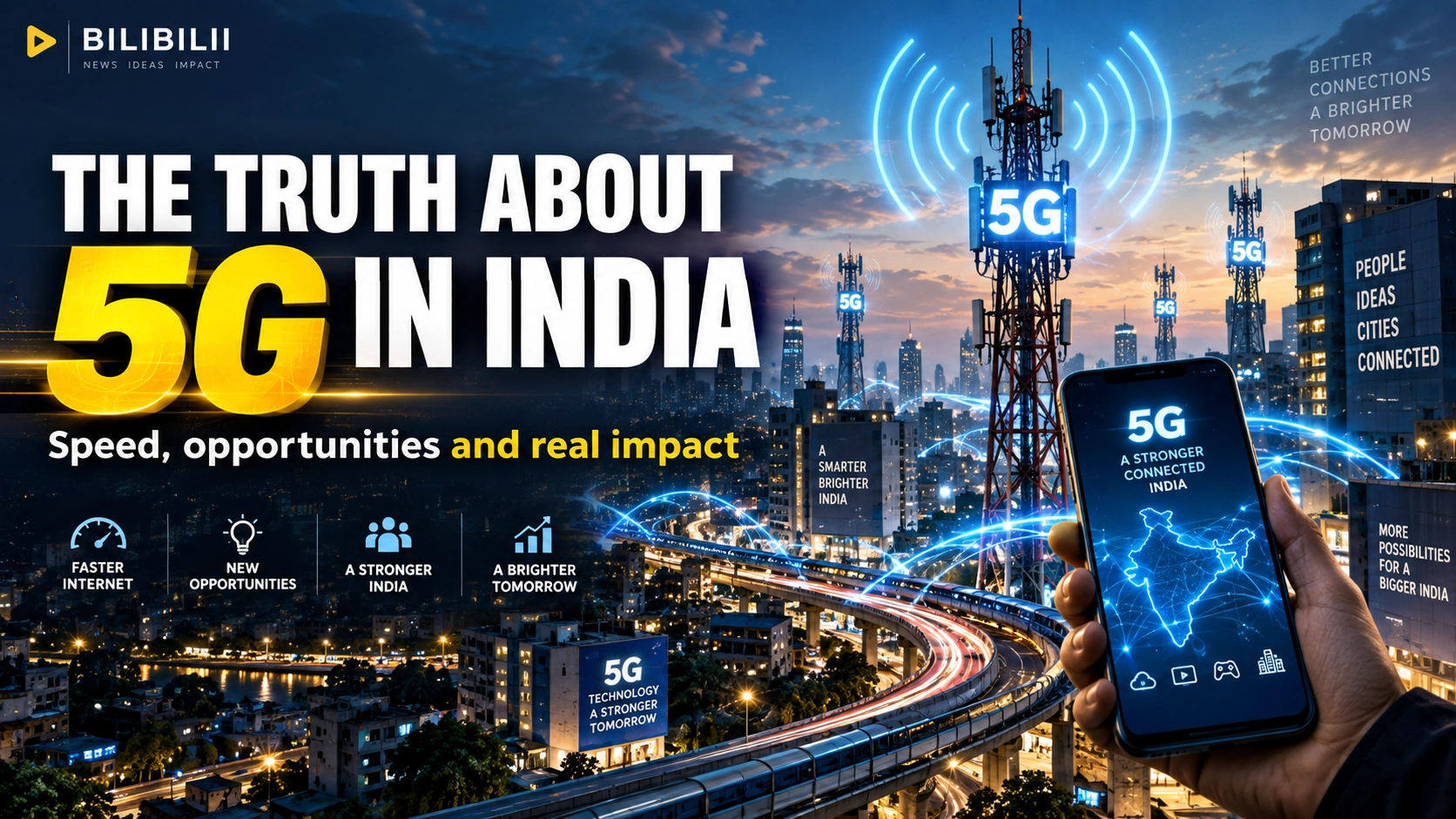
When most people hear “5G,” they think of faster downloads. That is part of the story, but not the full picture. The real value of 5G in India will depend on whether it improves practical digital experiences for users, businesses and public systems.
What 5G changes first
- Higher-speed mobile connectivity in supported areas.
- Lower latency for select use cases.
- Better support for high-bandwidth digital services.
- Potential improvements in enterprise and industrial applications.
Why the “truth” matters
New technologies often arrive with inflated expectations. Some people expect instant transformation everywhere, while others dismiss the upgrade as marketing. The truth usually sits in the middle: 5G can be genuinely useful, but its benefits depend on rollout quality, device readiness, use-case maturity and affordability.
Where India could benefit most
Beyond consumer speed, 5G can support smarter logistics, connected campuses, advanced media use, better digital service delivery and new startup-led applications. In the longer run, it may also influence smart-city tools, industrial automation and immersive digital services.
What users should watch
The real questions are practical: Does the network feel better? Are new services emerging because of it? Are businesses building useful solutions on top of it? Adoption becomes meaningful when users feel a difference beyond a test-speed screenshot.
Bottom line
The truth about 5G in India is simple: it is neither magic nor meaningless. Its impact will depend on how well it connects infrastructure, devices, services and real human needs.
Source: Department of Telecommunications