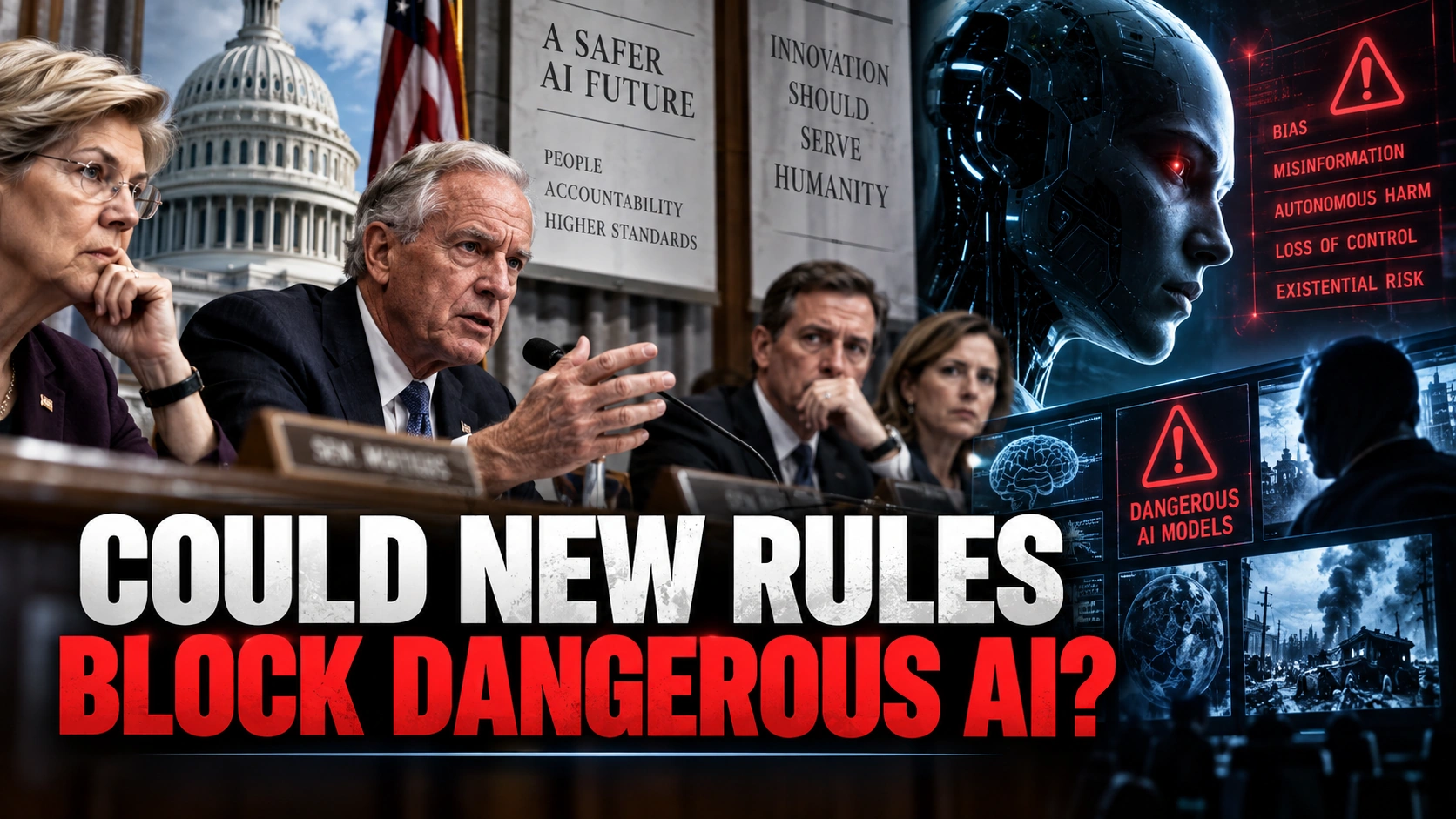
US Senate negotiators are considering a framework that would impose a legal “duty of care” on developers of the most advanced AI systems. The proposal could require companies to design against known catastrophic risks and give the federal government a mechanism to block release of a model judged unsafe.
What duty of care would change
Today, many frontier-model safety commitments are voluntary or company-defined. A statutory duty would create an external legal standard and potentially expose developers to enforcement when they fail to take reasonable measures against known major hazards.
The proposal targets extreme capabilities
The discussions focus on risks such as enabling nuclear or biological weapons and other catastrophic misuse. Lawmakers are also considering national-laboratory testing and a process that would let companies challenge government restrictions in court.
There is a federal-versus-state question too
Negotiators are weighing whether federal rules should pre-empt state laws in the same area. That could create one national framework, but it may also become politically contentious if states believe stronger local protections are being displaced.
What to watch
The bill is still under negotiation and the congressional calendar is tight. Key details — which models qualify, what tests are required and who has blocking authority — will determine whether the proposal is narrow safety law or a much broader AI licensing regime.
Bottom line
The policy direction is clear even if the bill is not: US lawmakers are increasingly asking whether frontier AI developers should owe the public a legally enforceable safety obligation.
Source: Reuters